
Odenton City Directory Collections by Era
An Odenton city directory hunt usually starts with a family name. It may begin with an old street address, or the place name a relative actually used. The volumes are scattered. A household may show up in a county book, a suburban title, a railroad listing, or a telephone directory. It might appear in any of these instead of a neat Odenton heading. That is normal for this part of Maryland. Nail down the address and the likely decade first. Then compare a few surrounding years to catch a family in motion. A directory hit places people in time. Pair it with a census record, a deed, or an obituary before trusting it as a firm family-history conclusion.
| Collection or lead | Dates located | Custody | How it helps |
|---|---|---|---|
| Directory and Gazetteer of Maryland | 1887 Anne Arundel section | Maryland State Archives | Business, town, and place-name context |
| Annapolis and Maryland directories | 1896-97, 1910, 1924, 1934, 1939; Polk 1939 and 1972 | Archives guide and reference holdings | County and suburban household leads |
| Telephone directories | 1909, 1932, 1936-37, 1947-48 | Archives and reference holdings | Name, address, and exchange clues |
| Baltimore Suburban West volumes | 1961-62, 1963, 1965 | Library of Congress lead | Possible address or telephone trail |
For named runs, the Maryland State Archives directory guide is the best first stop. It maps the holdings. But it does not promise that every year survives or that each volume carries an Odenton heading. When you record a hit, copy the title, year, and publisher. Also note the page number and the coverage the book itself claims. The named runs together form a useful timeline. They suit a first search of past residents of Odenton.
- 1887: the Directory and Gazetteer supplies an Anne Arundel County business and place-name layer.
- 1896-1939: the Archives guide identifies several Annapolis excerpts, alongside telephone listings beginning in 1909.
- 1939 and 1972: Polk's Annapolis volumes appear among the located directory holdings.
- 1961-65: Baltimore Suburban West leads can extend an address or telephone search into the suburban period.
The Archives directory guide lays out the statewide starting point for locating these runs.
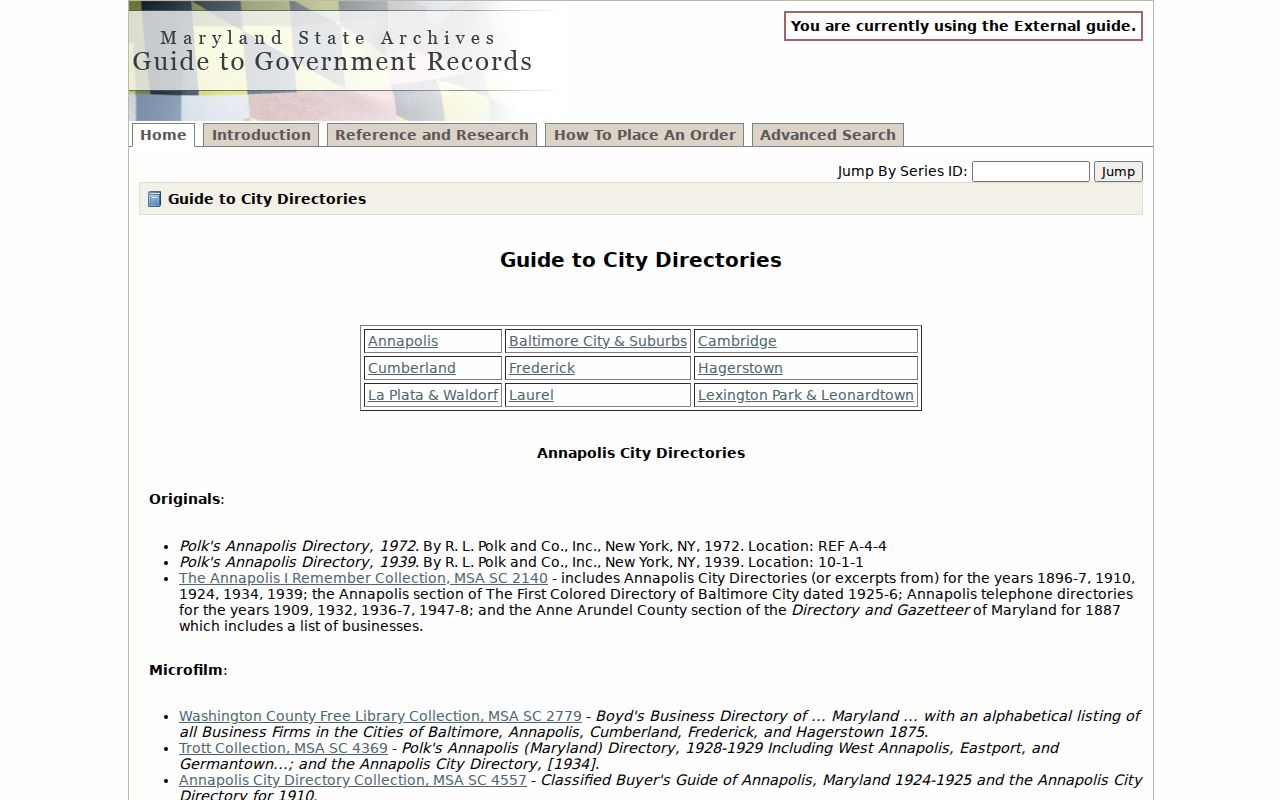
Use the guide to pick a volume. Then verify the book's actual geographic heading before treating an entry, or an absence, as evidence.
Odenton Directory Shelves and Research Rooms
The archival lead is only one access channel. The AACPL Maryland Room at Busch Annapolis holds county-focused material. Its shelves include books, maps, photographs, manuscripts, and genealogy files. The Odenton branch, meanwhile, is a practical stop for public computers, copying, scanning, fax, Wi-Fi, and its Memory Lab. The deeper local-history material sits elsewhere in the county system. Ask a librarian for a specific directory year, a railroad term, a cemetery, a neighborhood, or a place-name variant. That works better than an undifferentiated resident list. The Kuethe Historical and Genealogical Research Center adds depth to the county's holdings. Its collection runs past 5,000 books, maps, documents, photographs, and ephemera. It sits at 5 Crain Highway SE in Glen Burnie. Hours are Thursday and Friday 10-4 and Saturday 10-2, with evening visits by appointment. Members use it free; nonmembers are asked for a $5 daily donation. The Kuethe Library rounds out the county's in-person options for Odenton street directory research.
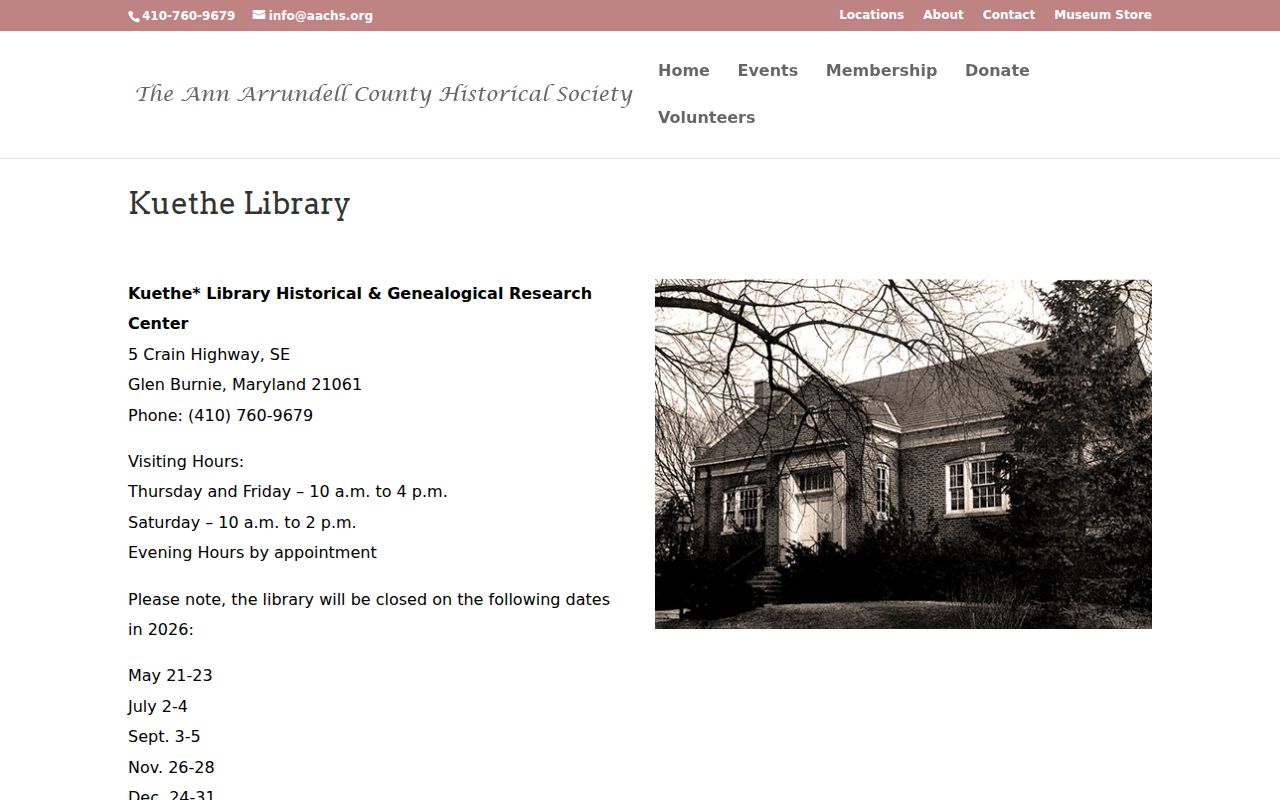
Bring names, spelling variants, rough dates, and one concrete question. Staff can then point you to a file, map series, or directory shelf fast. The Odenton Library service page lists the branch-level services worth checking before a trip to the county's specialized rooms.
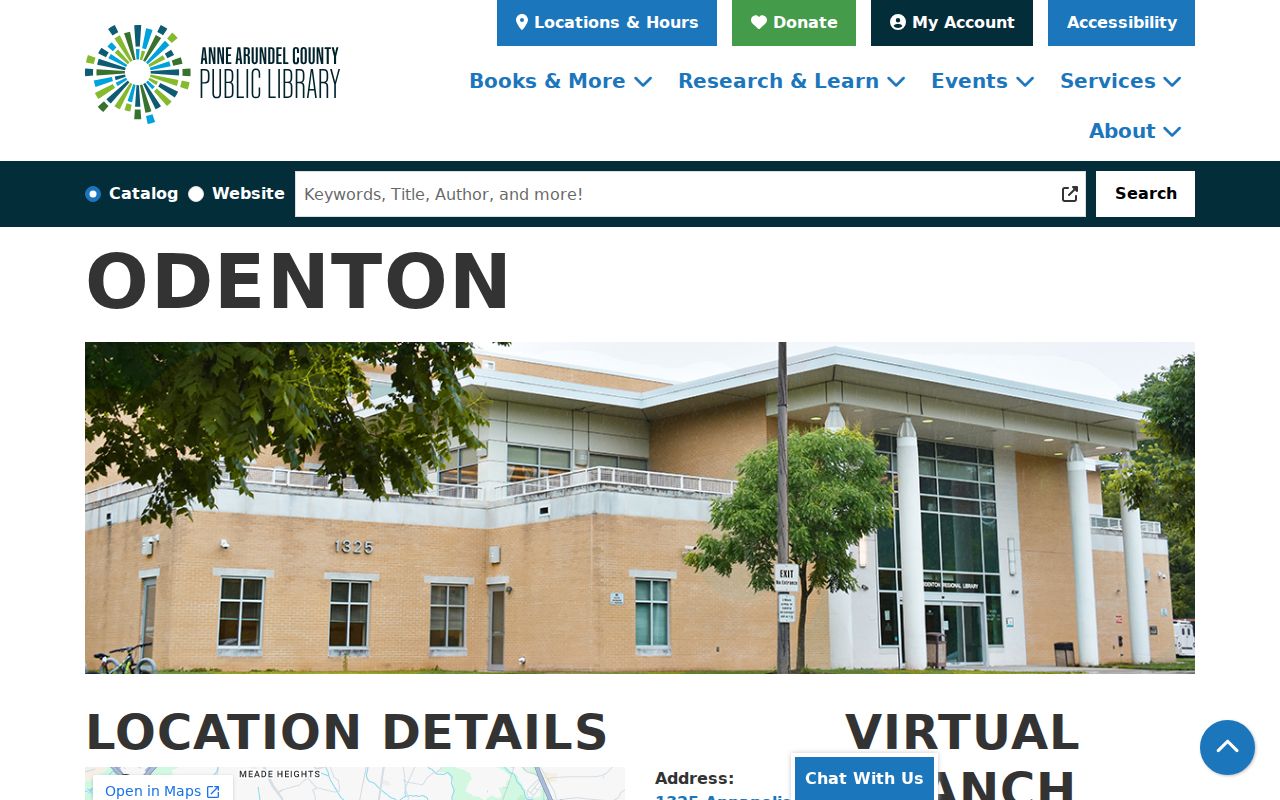
The branch can help preserve or scan a family-held item. Just do not assume it holds every historical directory named in the Archives guide. Note: Call or email ahead for a research-room visit because appointment practices and access hours can change.
Odenton Railroad Directory Headings
Odenton's railroad history is a useful indexing clue. AACPL describes the local story as more than 170 years of railroad construction through a sparsely settled farming area. That history explains why a family may be listed under a station, business, church, railroad, or nearby community rather than under a modern civic label. The 1887 county directory is especially helpful for this earlier place-and-business layer, though it is not a complete household roll.
The Odenton Heritage Society maintains the Dorothy S. Hammond Research Room at the Odenton Historical Center, 1367 Odenton Road. Its books, documents, maps, photographs, and genealogical material offer a local counterweight to a broad county index. The museum is open on the first Sunday of the month from 1-4, and the research library is available by appointment. Search railroad employees, station references, early businesses, churches, cemeteries, and nearby place-name variants.
Reading an Odenton City Directory Entry
A city directory entry is a structured clue, not a modern profile. Depending on the publisher, it may show a surname and given name, a spouse notation, work or business details, a street address, and a telephone exchange or number. Some books add marks for owner, renter, rooms, boarders, or widow status. Read the front matter first. The abbreviation key and the statement of coverage explain what each mark meant in that one volume, which matters when the same symbol meant different things a decade apart.
| Name line | Usually a surname and given name, sometimes with spouse or widow notation. |
|---|---|
| Address | Printed residence, business, rural-route, apartment, or unit wording exactly as the publisher used it. |
| Work clue | Occupation, employer, or business when the volume included it. |
| Telephone clue | Exchange and number, where present, which may help distinguish similarly named people. |
| Occupancy mark | Owner or renter marks only when the publisher supplied and defined them. |
- Criss-cross directory
- The address-ordered part of a directory that can lead from a street to a named listing.
- Householder index
- A name listing focused on householders or telephone subscribers, not necessarily every person at an address.
- Abbreviation key
- The publisher's explanation of short forms and marks, usually near the opening pages and worth preserving with the citation.
Odenton City Directory Leads in Suburban Volumes
Later directory work may demand a broader title. The Library of Congress genealogy guide lists Baltimore Suburban West white and yellow pages for November 1961, 1961-62, December 1963, and December 1965. A volume may include a reverse or criss-cross portion. Still, its contents, exchange area, and heading must be inspected before tying it to an Odenton address, because a title spanning several communities does not guarantee a separate Odenton section. The Library of Congress Maryland local-history guide opens the national repository route for Maryland directory and map leads.
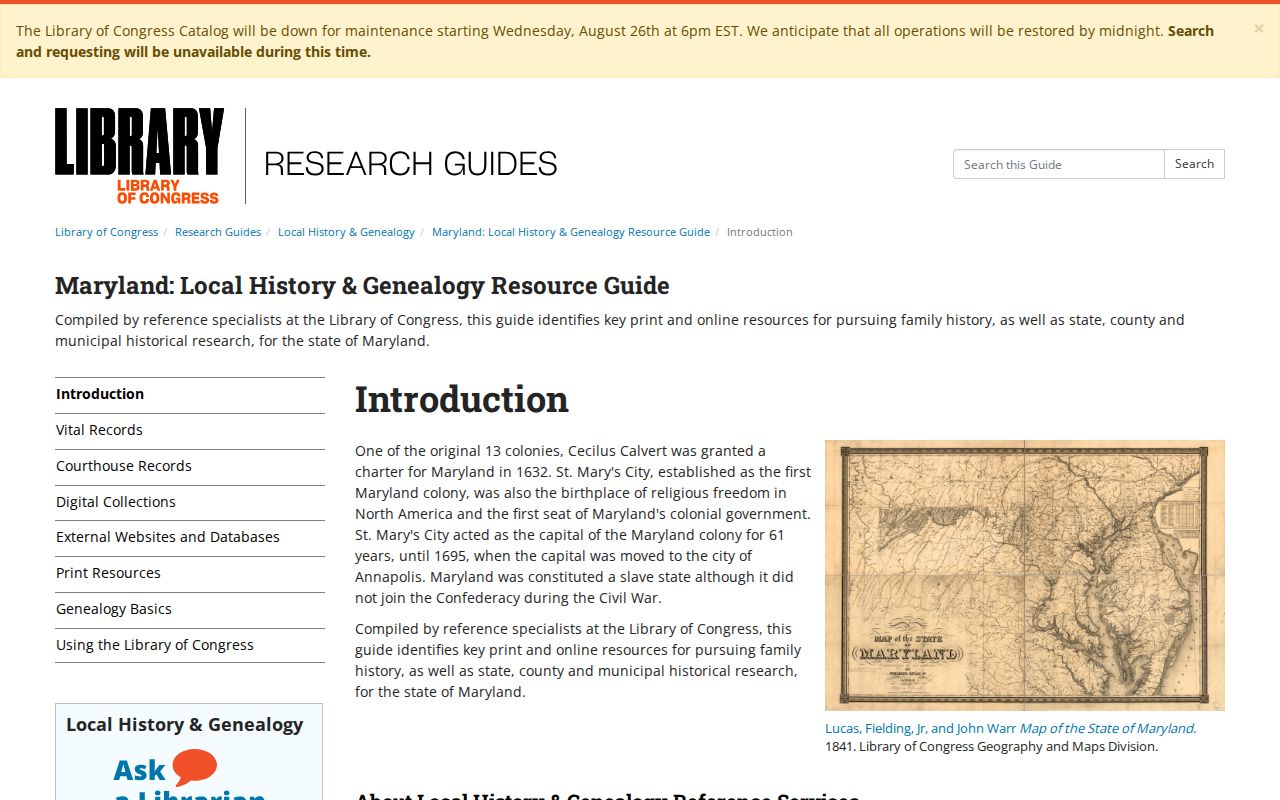
Once a relevant volume turns up, keep its title-page and page citation with the entry. That way the geographic scope can be checked later. Note: A city directory absence can mean the publisher skipped a rural area, used another heading, or listed only a telephone subscriber.
Tracing Families in Odenton City Directories
Family history work with an Odenton city directory goes best one year at a time. Pair each volume with a census. Treat the two as separate snapshots. The federal census is released through 1950 under the 72-year rule. A census records a household on its enumeration date. A directory was often compiled months earlier or later. That timing difference can explain a sudden move or a changed street number. It can also explain a name that shows up in one source and not the other. The Odenton residents directory, in other words, is a dated clue. It is not a duplicate of the census page.
- Search the likely name and place heading in the earliest useful directory, including Odenton Junction, Annapolis, and suburban titles.
- Record the publisher, year, page, spelling, address, spouse notation, occupation, and any abbreviation used.
- Check adjacent directory years to narrow a move-in or move-out window.
- Pair the result with the nearest census year, allowing for the fact that the two sources were compiled at different times.
- Use land records, probate, newspapers, or an obituary to test the identity and the later trail.
Some directory hits need a modern identity check. Compare them with the official sources on the Odenton resident lookup page. The historical volume stays a dated clue, not proof of a current person or legal interest.
Odenton Criss-Cross Directory Searches
An Odenton street directory shines when the name is unknown but the house or business location is not. Use the address section first. Then turn to the alphabetical section for household, work, or telephone details. Exact street spelling matters a great deal. Preserve road and avenue abbreviations, apartment numbers, rural-route wording, and exchange codes. Those details often bridge to a later newspaper, plat, or property search in the Odenton records.
A criss-cross result is not a household census. A directory may name only the telephone subscriber. It may list just a business occupant or the head of household. For a backward address trail, check the entry against a deed's legal description and a census. Never assume an address listing covers every person present.
Odenton City Directory Gaps and Proof
The historical record for Odenton has real gaps. The Archives guide promises no annual publication and no guaranteed survival of each volume. Digitized Baltimore Suburban West issues do not offer a stable representative Odenton page. Sanborn fire-map coverage for the community is likewise uncertain. State the gap plainly. Then search neighboring years and alternate place headings. Lean on maps, probate, newspapers, or county land material to answer what a directory cannot.
Odenton's shifting community geography adds another reason for caution. Older census and directory records may carry a county, township, rail, or postal label rather than the present CDP boundary. A good citation keeps the printed heading intact. It describes the source as evidence of a historical listing. It is not proof that a modern boundary existed then.
Family-held material can fill a gap too, without becoming a public record. The Odenton Library Memory Lab digitizes photographs, negatives, slides, VHS, cassette, vinyl, and Super 8 or 8mm media. A dated photo, address label, letter, or home paper can point a search toward the right directory year. It can also suggest the right place heading. Keep the original item, its known source, and a note on how the date was estimated. Private material stays a research lead until an archival or official record supports it.
Note: Preserve the original spelling and the book's geographic heading even when they differ from a modern Odenton address.